

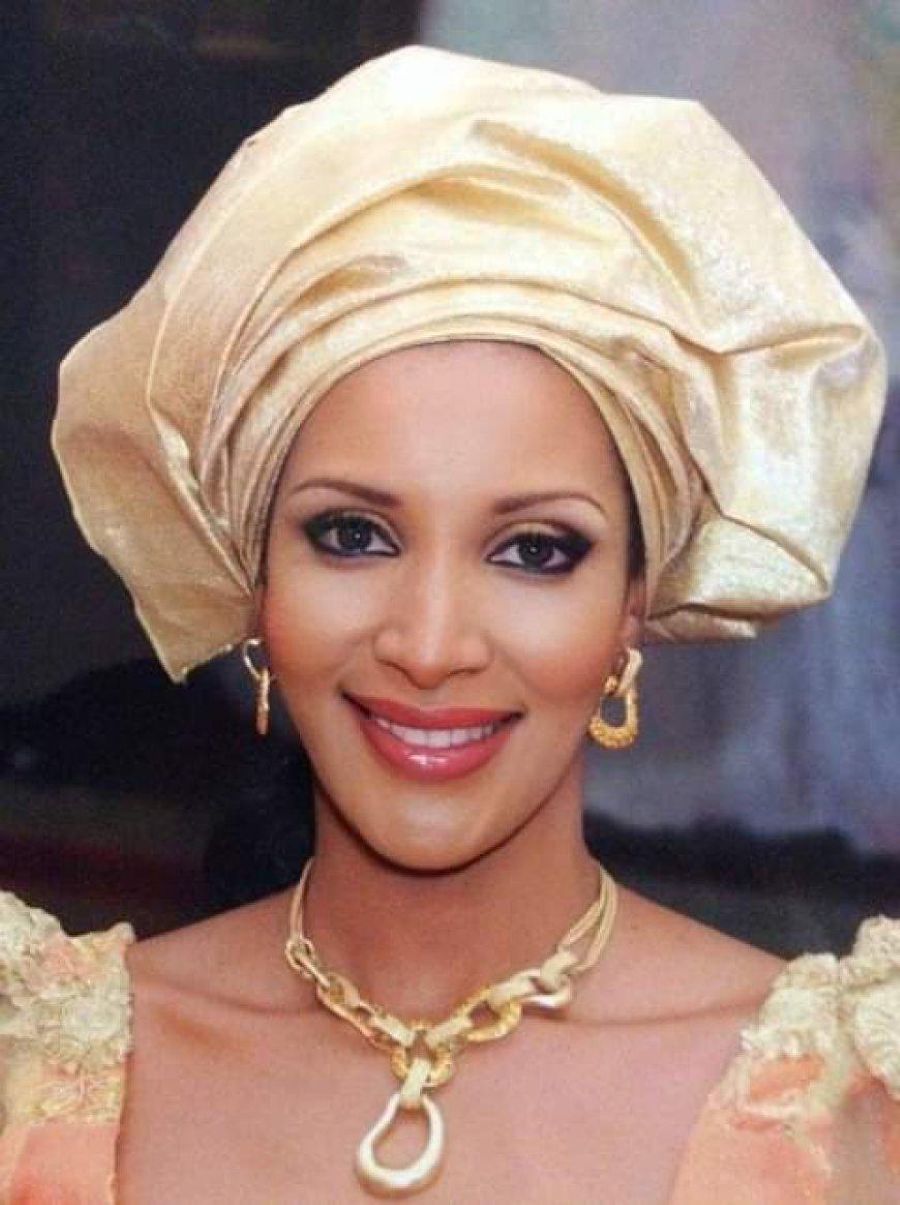
Ambassador Ojukwu
The Federal Government of Nigeria has bemoaned the coronation and activities of Eze Ndigbo (Igbo Kings) in foreign countries. This is because the National Executive Committee of Ohanaeze Ndigbo Worldwide, in collaboration with the South East Council of Traditional Rulers, abolished the concept of Eze Igbo outside Igboland.
Perhaps, this is not the first time such abolishment of the controversial title outside Igboland would be pronounced. Minister of State for Foreign Affairs, Ambassador Bianca Odumegwu-Ojukwu, made the position of Nigerian Government known at the meeting of Imeobi – the highest decision-making body of Ohanaeze Ndigbo Worldwide – in Enugu on Thursday.
Ambassador Ojukwu said the situation has become a big embarrassment to the government, Ndigbo, Nigerians, and other foreigners in those countries where they have Eze Ndigbo.
Igbo associations in diaspora usually stage cultural activities to promote their heritage. Unfortunately, the enthronement of traditional rulership by some of these Igbo groups has caused severe friction not just among the Igbo communities themselves but also between the Igbo and their host communities, NewsBits learnt.
The minister stated that people could still express themselves culturally without causing nuisance to the indigenes of the host country and others.
Recently, violent protests erupted in South Africa’s Eastern Cape, following the controversial coronation of a Nigerian Igbo leader, Solomon Ogbonna Eziko, as “Eze Ndigbo na East London” (Igbo King in East London). The event triggered an outcry from local residents, traditional leaders, and political parties, leading to violence, the torching of foreign-owned vehicles, and looting, according to reports.
On March 14, 2026, Eziko was crowned as a traditional leader in KuGompo City (East London), a move interpreted by South Africans as an unlawful challenge to local sovereignty and traditional leadership structures. Protests began on March 30, 2026, with demonstrations organized by groups including ActionSA, which quickly escalated into violence.
The protesters targeted foreign-owned businesses and vehicles, with reports of no fewer than 13 vehicles being destroyed. At least one stabbing incident was reported, and police had to use stun grenades and tear gas to restore order.
The Eastern Cape House of Traditional and Khoisan leaders condemned the coronation as a “flagrant violation” of customary protocols. Also, the South African government’s Department of Cooperative Governance and Traditional Affairs (COGTA) declared the installation illegal and a violation of the constitution.
Odumegwu-Ojukwu said that the Ministry of Foreign Affairs was on its toes, deploying diplomatic channels in addressing the unfortunate situation. The Nigerian High Commission in South Africa distanced itself from the coronation, acknowledging it was a “cultural event” misinterpreted and not a formal, recognized monarchy.
The Nigerian Embassy in Pretoria officially apologized for the confusion and crisis, urging Nigerians in South Africa to maintain a low profile and avoid further confrontations.
The Deputy High Commissioner, Olajide Ogunmadeji, who addressed some protesters, told them that the situation had been misinterpreted, as the coronation was only ceremonial rather than the installation of a traditional authority that defied the existing system. Addressing the Ohanaeze Imeobi/General Assembly, Ojukwu recalled that a similar incident had happened in Ghana in July 2025 because of the Eze Ndigbo issue.
She had led a delegation to Accra to douse the palpable tension as Ghanian protesters demanded that Nigerians must leave their country. “Aggrieved Ghanians issued our people a quit notice; they insisted that Nigerians must go,” she said.
They said that her delegation met with President John Mahama of Ghana, ministers, the Inspector General of Police, the traditional institutions across regions and provinces, as well as the Nigerian community.
Tension defused following the intervention of President Mahama, who insisted that there was no place for xenophobia in his country.
Receiving President Bola Tinubu’s special envoy, led by the Minister of State for Foreign Affairs, Amb. Odumegwu-Ojukwu in the Presidential Palace, Accra, the Ghanian leader also vowed his commitment to the Economic Community of West African States (ECOWAS) Protocols, especially pertaining to the free movement of persons and goods in the region.
He had noted that the recirculation of an old video made by a Nigerian residing in Ghana over 10 years ago actually generated tension but gladly announced that the situation was swiftly managed. She reiterated that the safety of Nigerian nationals in Ghana, their properties and businesses, was at risk but for President Mahama’s intervention.
The minister urged Ohanaeze Ndigbo to prescribe sanctions for any persons flouting its directive abolishing Igbo traditional rulership outside Igboland. She further assured that the Ministry of Foreign Affairs will help disseminate the Ohanaeze communique on the issue through its Missions and High Commissions.
President General of Ohanaeze Ndigbo, Sen. Azuta Mbata, who presented the decision of the apex Igbo socio-cultural organization, said they have adopted the position of the traditional rulers abolishing the Eze Ndigbo title in diaspora.
“Anybody who is being awarded that type of title anywhere outside of Igbo land is on his own. It’s unknown to the Igbo people, and we will call upon all state governors, we’ll correspond to all embassies in the world, informing them about the position of Ndigbo.
“The position of Eze Ndigbo anywhere outside Igbo land is hereby alienated and proscribed. That is the position of Ohanaeze Ndigbo worldwide.
“We will determine in consultation with the kings of Igbo land what the punishment will be for anybody who goes against this position, and that punishment will be implemented at the village level. Your hometown, your town union will be under injunction to implement that punishment, but we are going to declare that punishment after due consultation.
