

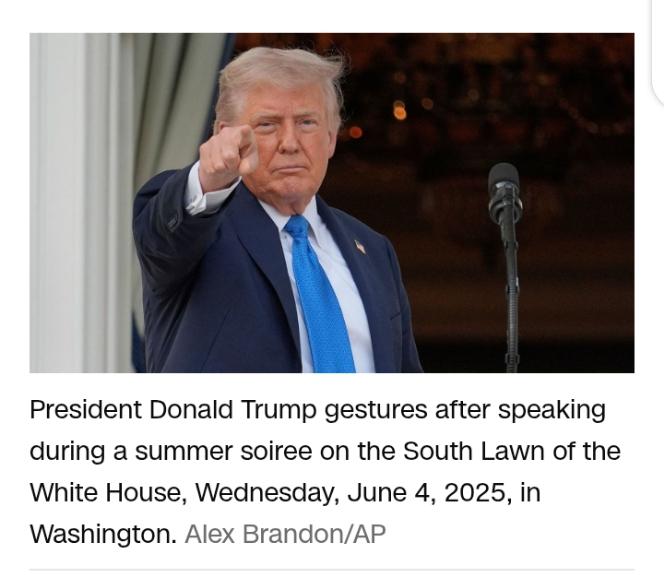
President Donald Trump signed a proclamation Wednesday evening to ban travel from several countries to the US, citing security risks.
The ban will fully restrict entry of nationals from 12 countries: Afghanistan; Myanmar, also known as Burma; Chad; Republic of the Congo; Equatorial Guinea; Eritrea; Haiti; Iran; Libya; Somalia; Sudan; and Yemen.
People from seven countries will have partial restriction: Burundi, Cuba, Laos, Sierra Leone, Togo, Turkmenistan and Venezuela.
The proclamation includes exceptions for lawful permanent residents, existing visa holders, certain visa categories, and individuals whose entry serves US national interests.
The president made the final call on signing the proclamation after the antisemitic attack in Boulder, Colorado, according to a White House official. He was considering it beforehand, but Sunday’s assault put it into motion faster. The suspect in the attack, however, was an Egyptian national, and Egypt was not included on the list of banned countries.
“President Trump is fulfilling his promise to protect Americans from dangerous foreign actors that want to come to our country and cause us harm,” White House deputy press secretary Abigail Jackson wrote on X.
“These commonsense restrictions are country-specific and include places that lack proper vetting, exhibit high visa overstay rates, or fail to share identity and threat information,” she wrote.
Trump said in a video posted Wednesday that new countries could be added to the travel ban as “threats emerge around the world.”
“The list is subject to revision based on whether material improvements are made. And likewise new countries can be added as threats emerge around the world, but we will not allow people to enter our country who wish to do us harm, and nothing will stop us from keeping America safe,” the president said.
The proclamation takes effect at 12:01 a.m. on June 9, according to the White House.Wednesday’s proclamation comes less than five months after the president was inaugurated. On his first day in office, he issued an executive order directing cabinet members, including the secretary of state, to compile a list of countries “for which vetting and screening information is so deficient as to warrant a partial or full suspension on the admission of nationals from those countries.”
In his first term, Trump barred travelers from seven majority-Muslim nations from coming to the US, a policy that saw court challenges. The Supreme Court upheld the third version of Trump’s travel ban that was issued in 2017. It restricted entry in varying degrees from Iran, North Korea, Syria, Libya, Yemen, Somalia, and Venezuela.
President Joe Biden ultimately repealed it when he took office in 2021.
The barring of nationals from Afghanistan could impact Afghans who worked alongside the US during its two decades of war there. Tens of thousands of Afghans have already been caught in limbo due to other Trump administration executive orders suspending the US refugee admissions program and the suspension of foreign aid funding for flights of Afghan Special Immigrant Visa (SIV) holders.
The executive order says it provides an exemption for Afghan Special Immigrant Visas, but countless other vulnerable Afghans who do not qualify for the program are likely still at risk.
Shawn Vandiver, the founder of #AfghanEvac, a leading US coalition of resettlement and veterans’ groups, said the travel ban “disproportionately affects families and individuals seeking lawful entry into the US.”
The proclamation “is a strategic move, not a response to an immediate threat,” Vandiver said in a statement.
The ban also sparked criticism from the governments of impacted countries.
Venezuela’s Minister of Interior, Justice and Peace said on Wednesday that being in the US “is a big risk for anyone, not just Venezuelans.”
“If you’re really that foolish, then go to the United States,” Diosdado Cabello said on government TV, Reuters news agency reported.
Oxfam, meanwhile, warned that the proclamation “marks a chilling return to policies of fear, discrimination, and division.”
The ban will deny entry to the US for individuals and families fleeing war and persecution, “forcing them to remain in dangerous conditions,” Abby Maxman, Oxfam America’s President and CEO, said in a statement.
Helen Regan, Shania Shelton, and Jennifer Hansler contributed reporting.
This story and headline have been updated with additional information.
- Source: CNN
===============================================================
