

By Tony Adibe
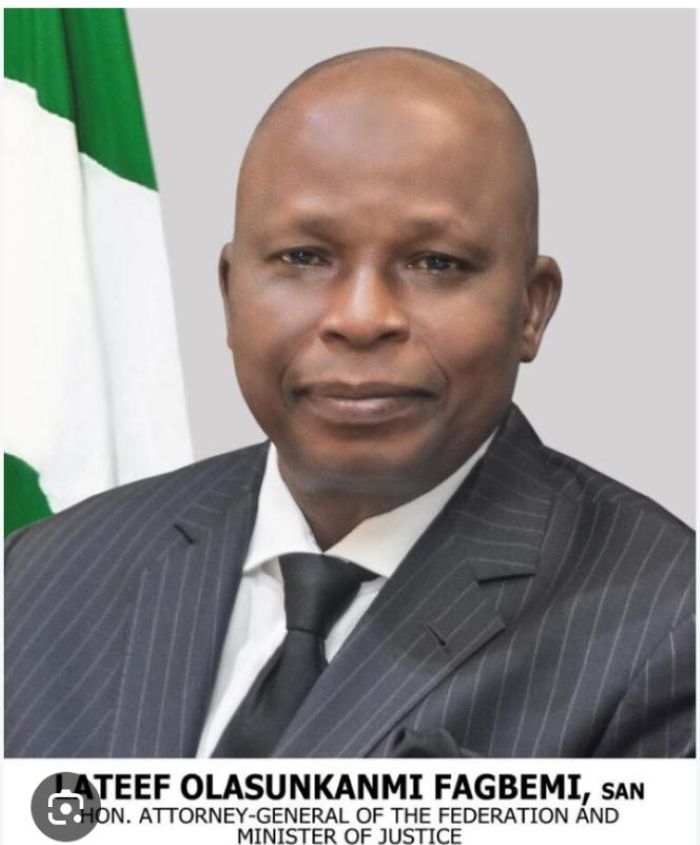
The Executive Director, Rule of Law and Accountability Advocacy Centre (RULAAC), Okechukwu Nwanguma, has petitioned Nigeria’s Attorney General, Lateef Fagbemi (SAN), concerning the fate of the duo – Azoribe Samuel Onu and Chidiebere Christian Ugwu – who are currently being held at Kuje Custodial Centre, Abuja, for alleged involvement in the Indigenous People of Biafra (IPOB).
In the detailed petition titled: “URGENT PETITION FOR INVESTIGATION OF THE CASES OF AZORIBE SAMUEL ONU AND CHIDIEBERE CHRISTIAN UGWU AND REVIEW OF DETENTIONS BASED ON ALLEGED IPOB AFFILIATION“, dated 10th November, 2026 addressed to the AG and copied to the Director General of the State Security Services (DSS), and the Chief of Army Staff, RULAAC pleaded with the Attorney General to use independent investigators to swiftly and critically look into the manner the duo were arrested, detained, treated and eventually thrown into prison.
The human rights group said that such critical reviews and assessments of the cases have become necessary to ensure that innocent citizens don’t suffer preventable injustice and death for something they knew nothing about. Referencing Nwanguma, who cited a report in the Vanguard Newspaper, Onu said he is serving a 20-year sentence in the Custodial Centre, Kuje, Abuja. Also, Ugwu said he pleaded not guilty and has remained in custody awaiting the outcome of his case.
RULAAC also requested a wider, time-bound review of cases in which people have been detained or prosecuted on mere allegations of membership of, or involvement with, the IPOB.
Giving graphic details of how the duo were taken away by security agents, Nwanguma in the RULAAC Petition, among other things, stated thus: “On 3 November 2026, Vanguard reported that the Department of State Services (DSS) had released four men arrested in May 2022 over alleged involvement with IPOB and approved compensation totalling ₦20 million. The newspaper also reported earlier releases and compensation in similar cases. The reported decisions underscore the urgency of identifying others who may still be held on allegations that the available evidence cannot substantiate. Each file should be reviewed for the evidence against the individual, the legal authority for each period of custody and the treatment of the person while detained.
- Mr Azoribe Samuel Onu
“Mr Onu reports that Nigerian Army personnel arrested him at Oduma, Aninri Local Government Area, Enugu State, on 31 August 2023 following an accusation that he was an IPOB commander. He says he was held at the Army’s 82 Division in Enugu for approximately 18 months and transferred to the DSS Enugu State Command on 28 February 2025.
“He says he appeared before a Magistrates’ Court in Enugu on 29 April 2025 and was discharged. He also describes the outcome as an acquittal. He alleges that DSS personnel re-arrested him immediately outside the court and returned him to custody. He reports being transferred to DSS headquarters in Abuja on 29 May 2025 and brought before the Federal High Court sitting in Asokoro on 16 June 2026. He says the Federal High Court convicted him and imposed a 20-year sentence.
“Certified court records and custody documents are needed to establish the chronology, the terms of the Magistrates’ Court order, the grounds for the reported re-arrest and the dates and basis of the conviction and sentence.
- Mr Chidiebere Christian Ugwu
“Mr Ugwu reports that DSS personnel arrested him on 5 December 2024 along Obollo Road in Obukpa, Nsukka, Enugu State. He alleges that he was beaten at a DSS post in Oba and again at the DSS Enugu State Command, where he says he lost consciousness. He reports being transferred to DSS headquarters in Abuja on 17 December 2024, where he alleges further beatings that affected his vision and caused bleeding from his ear.
“Mr Ugwu says he was denied contact with his family and a lawyer for approximately 18 months and compelled to write statements in the absence of counsel. He reports appearing before the Federal High Court sitting in Asokoro, Abuja, in Court 15 on 17 June 2026, where he pleaded not guilty. His account does not specify the charge. The charge sheet and prosecution file should establish the allegation against him and whether his case falls within the proposed wider review.”
Nwanguma emphasised that the grounds upon which the organization decided to intervene were in line with Sections 34, 35 and 36 of the Nigerian Constitution in respect of dignity, personal liberty and fair hearing.
Grounds For Intervention
According to RULAAC, “The accounts raise concerns under sections 34, 35 and 36 of the Constitution concerning dignity, personal liberty and fair hearing. Section 4 of the Anti-Torture Act 2017 bars the use of statements obtained by torture, except against a person accused of torture as evidence that the statement was made. Section 29 of the Evidence Act 2011 governs the admissibility of confessions challenged on grounds that include oppression.”
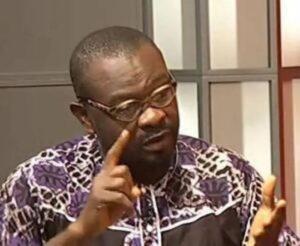
Mr Okechukwu Nwanguma
RULAAC’S 6-Point Request
In view of the above, the human rights group has made a 6-point request to the Attorney General, and they include:
- Investigate both complaints independently. Assign investigators from outside the units whose conduct is in question. Establish the factual and legal grounds for the arrests, detention and transfers. Investigate Mr Onu’s reported re-arrest after the Magistrates’ Court proceedings and Mr Ugwu’s allegations of torture, denial of access to counsel, and coerced statements. Interview both men confidentially and protect them and other witnesses from reprisals.
- Preserve and obtain relevant records. Request the immediate preservation of Army and DSS arrest and custody registers, transfer records, warrants and remand orders, original statements and recordings, duty rosters, medical records and available CCTV footage. Obtain the Kuje admission records and certified copies of the relevant court records, including the Enugu Magistrates’ Court order, Mr Onu’s judgment and sentencing order, and Mr Ugwu’s charge sheet and current remand order.
- Review the two cases according to their procedural status. For Mr Onu, review the prosecution file and judgment, establish the relationship between the Enugu and Abuja proceedings, and facilitate access to counsel and certified records for advice on any available appeal or other judicial remedy. For Mr Ugwu, verify the basis for continued remand, determine whether any allegedly coerced statement forms part of the prosecution case, and ensure compliance with the rules on admissibility. Where the review discloses grounds for intervention, take the appropriate steps before the competent court.
- Secure urgent care and access to counsel. Liaise with the Nigerian Correctional Service to arrange an independent medical examination and appropriate treatment for Mr Ugwu, with urgent attention to his reported eye and ear injuries. Facilitate confidential access to counsel and contact with family for both men, subject to applicable law.
- Commission a time-bound review of other cases involving alleged IPOB affiliation. Obtain and reconcile case lists from the DSS, Nigerian Army, other relevant security agencies and the Nigerian Correctional Service. Establish each person’s location, custody history, access to counsel, the evidence supporting the specific allegation and the applicable court orders. Give priority to people held for prolonged periods without charge or access to counsel, people reportedly re-arrested following a court order, and cases involving alleged torture or coerced statements. Where there is no lawful basis for continued detention, secure release through the applicable process. Where charges are pending, review whether the admissible evidence supports continuing the prosecution. Where a conviction is in force, facilitate access to records and counsel and take any warranted steps through the courts. Assess entitlement to compensation and other remedies where violations are established.
- Pursue accountability and report progress. Where the evidence warrants it, initiate or refer matters for prosecution and appropriate disciplinary action.
RULAAC requests that the Director-General of the DSS and the Chief of Army Staff promptly secure the records held by their respective agencies and make relevant personnel available to independent investigators. RULAAC can provide the two accounts received on 9 November 2026 through a secure channel.
Yours faithfully, Okechukwu Nwanguma, Executive Director, Rule of Law and Accountability Advocacy Centre (RULAAC).
