

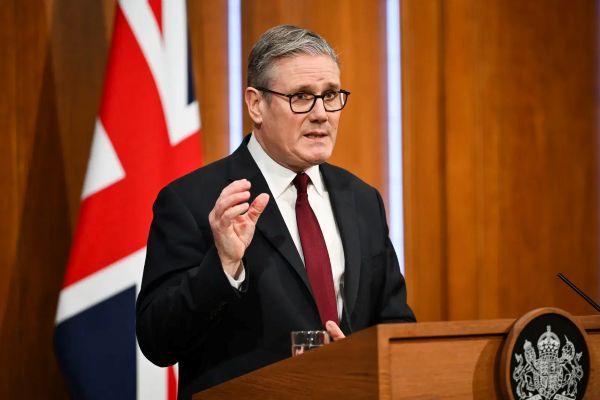
U.K. Prime Minister Keir Starmer announced on Monday that he will step down as Labour Party leader and prime minister, bringing an end to months of political unrest and triggering a race to choose his successor.
The decision comes after growing pressure on Starmer following Labour’s poor performance in local elections in May and increasing criticism from members of his own party over his leadership and policy direction.
Starmer’s resignation comes less than two years after he led Labour to a landslide victory in the 2024 general election. Speaking outside 10 Downing Street shortly after 9:30 a.m. in London, Starmer said he would remain in office until a new leader is chosen to ensure a smooth transfer of power.
In an emotional address, Starmer described entering Downing Street as the “proudest moment of my life.” He said his government had helped restore Britain’s international standing, attract investment, and strengthen workers’ rights.
However, he acknowledged concerns within the Labour Party about his future leadership. “I have heard the answer from my parliamentary party. I accept that answer with good grace. I will resign as leader of the Labour Party,” he said.
The announcement follows the recent victory of former Greater Manchester mayor Andy Burnham in a special election on June 18, a result that could strengthen his position in a potential Labour leadership contest.
Starmer and Finance Minister Rachel Reeves have faced growing opposition within the party over economic policies.
Internal tensions were also heightened by welfare reform proposals and the appointment of Peter Mandelson as U.S. ambassador, a move that attracted criticism from some Labour members.
