

By Emeka Ononamadu
This Morning’s Reflection
In the midst of an energy crisis and currency devaluation, all tiers of government that claim to be doing something and beg citizens to endure are still increasing prices, taxes, rates, and the cost of small government-provided services.
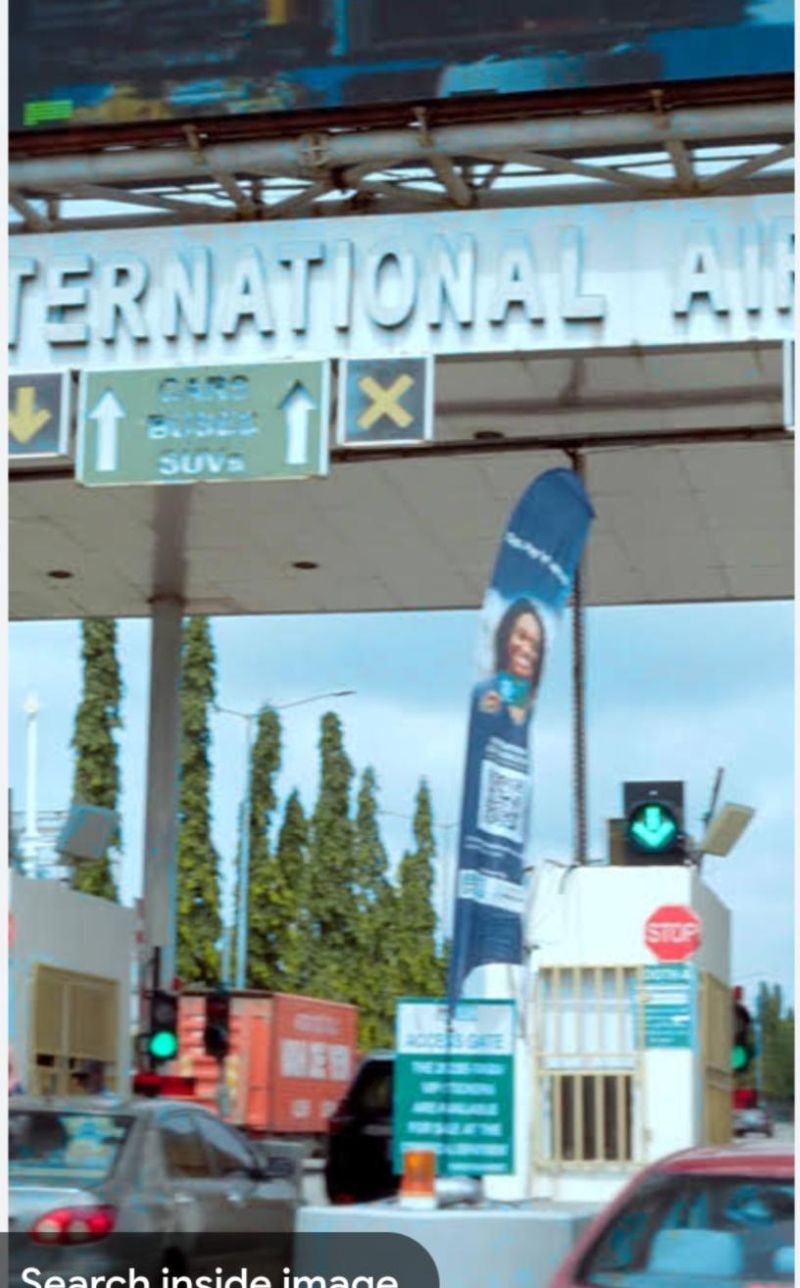
A little example will make the picture clearer. Before now, it cost ₦300 as a gate fee to go in and out of, for example, Enugu Airport. As citizens’ suffering increases, the Festus Keyamo-led Aviation Ministry moved it to ₦2,000 for an hour, embarrassingly citing the effect of the blockage of the Strait of Hormuz.
Down the street, the Keke rider is being taxed ₦800 daily and the mini-bus driver ₦1,000 (against ₦200 and ₦300 previously) for plying urban roads constructed over 20 years ago.
These days, as an aircraft lands, you will see many supposedly average Nigerians trekking to Emene Junction to catch a Keke or bus because the airport gate fee has made the cost of an airport taxi unbearable to many.
The cost of transport is usually shifted to ordinary Nigerians who have been asked to endure. Other means of livelihood are under heavy taxation, and you can imagine how the level of trekking and the waste of productive time—occasioned by government insensitivity, over-taxation, and the impoverishment of its citizens—is holding the nation down.
Another way to further appreciate this is to review the breakdown of your flight cost. The taxes are higher than what the airlines take. Why?
Now, how long can the citizens wait if the governments do not intentionally reduce their own prices for the services they render to citizens as a pathway for private-sector price reduction?
At the LGA level, chairmen are using thugs or agberos to chase local market men and women into oblivion while hunting for fees and levies. Even those on the roadside or in the bush, who cannot afford market stalls, are heavily taxed.
Even in London—ask about Liverpool Street or Woolwich Street markets—the government willingly closes streets on Sundays for the poor to trade and get what to eat for the week. While our leaders took power and increased VAT, stamp duty, energy costs, etc., the British government focused on targeted price relief, such as capping single bus fares to £2 down from £4 and £5. In contrast, every new government in Nigeria inflates prices, weakens entrepreneurs, investors, and producers, and taxes them to closure, creating additional unemployment.
Britain is a nation where the basic hourly pay is between £8 and £15—that is ₦15,200 to ₦28,500 hourly. Their three hours’ pay is equivalent to our monthly minimum wage of a paltry ₦70,000. That is even when jobs are available, because since 2019 there has been a ban on government employment. This is sad and politically and economically grim.
Let us note this: all over developed and developing nations, public means of transportation are in the hands of the government and highly subsidized to encourage mobility of labor and productivity.
This over-taxation in Nigeria happens across the 36 states of the federation and Abuja, but mostly in the Southern states of Nigeria, where additional state taxes are sniffing out many business lives.
Funny enough, most big and multinational businesses are either enjoying tax holidays or are exempt from these fees that the poor are forced to pay. Who will tell this regime at the federal government, state, and LGA levels that they are basically responsible for the increasing poverty and impoverishment of Nigerians? No amount of waiting will bring any change until these taxes, fees, and levies are forced down to taxable capacities.
Should CSOs that were contracted to harp on tax payment factor this into their advocacy? Or are we part of the impoverishment?
