

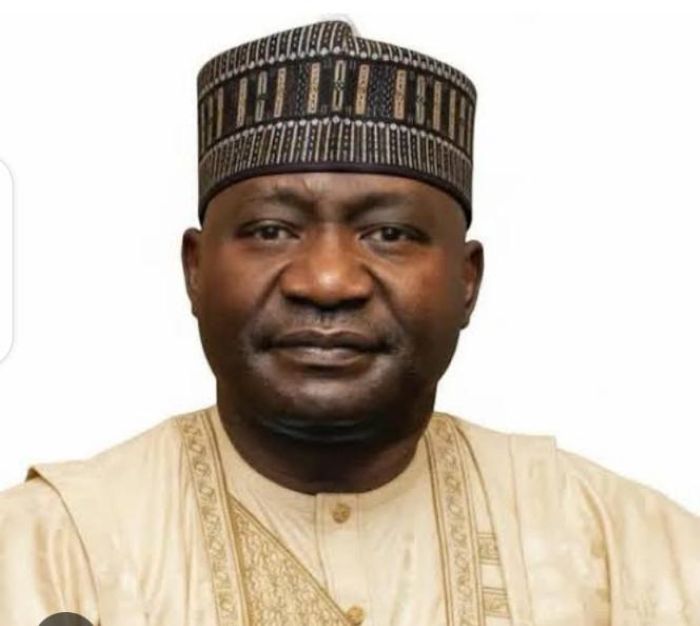
Gen Christopher Musa (Rtd)
By Emmanuel Gandu
The mention of the Middle Belt always sends shivers down the spine of every religious and tribal bigot Hausa/Fulani person. Incidentally, the reasons are well known, but for the avoidance of any doubt, here are some of the causes of the anger that drives them to near suicide:
(1) Othman Danfodio Jihad of 1804
The Middle Belt had fought back and defeated the onslaught of the Jihad war launched in Northern Nigeria. Surprisingly, the Middle Belt warriors had done what was termed the unexpected. Suffice it to say that the Middle Belt has always had its independence, freedom, and franchise, and not even the so-called combined forces of the Hausa/Fulani hegemony can counter.
(2) Land mass and population
The Middle Belt is highly populated. Due to the backing of the Hausa/Fulani by the British colonialists, Richard’s Constitution of 1946 divided Nigeria into three (3) regions of Northern, Western, and Eastern. Ever since that anomaly, successive Hausa/Fulani powers have never been in favour of any balkanization of the Northern region. They have always wanted a North that will remain bigger in both land mass size and population than the Western and Eastern regions put together. Since they want to dominate, they see the recognition of the Middle Belt as a threat to that ambition of continued domination.
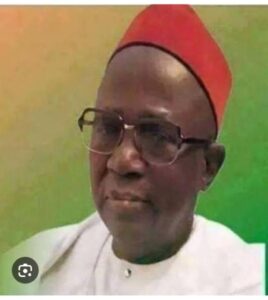
Late Aminu Kano
(3) Fear of the economic and political power of the Middle Belt
The Hausa/Fulani have never hidden their hate; neither have they been in favour of the Middle Belt autonomy.
The best and most conducive climate, the strategic location, above all, the human and mineral resources in the Middle Belt are so enormous that the Hausa/Fulani is so jealous that they cannot imagine having a North without the Middle Belt.
(4) Power of the population of the Middle Belt
The North boasts of having the largest population in Nigeria, which they use it for the allocation of federal resources, as well as providing the largest votes in democratic party elections. However, take away the vast Middle Belt population from the North, and you leave the Hausa/Fulani North stark naked.
(5) Religious and tribal factors
Unfortunately, the Hausa/Fulani bigots have always played the religious and ethnicity card in their biased arguments against the good and diverse people of the Middle Belt’s efforts towards unity. Regrettably, the Colonial/Sardauna legacy was in itself founded upon the principle of social injustice, differential and preferential treatment. Unfortunately, this was comfortably adopted by the Hausa/Fulani in defining the role and position of ethnic, economic, religious, and political administration.
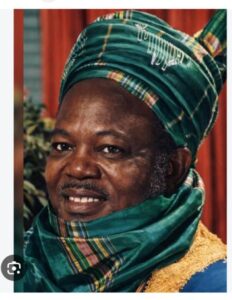
Late Ahmadu Bello
(6) HAUSA ZALLA: DIVISION AMONG THE HAUSA/FULANI
Hausa Zalla is a reawakening consciousness call to wake up from their centuries of slumber. In this wake-up call, the Hausa tribe seeks their lost identity, their franchise; they seek their stolen independence; they want to be free from the shackles of slavery chains imposed on them by the Danfodio Fulani Jihad of 1804 – this is the story: the long-term plans of the Fulani begun by Othman Danfodio Jihad of 1804, where all Hausa land was conquered, Hausa Emirs removed and replaced by Fulani to make up what is called the Sokoto Caliphate.
They call it Hausa Zalla, but in whatever name they choose to call their late reawakening movement, they have failed. But instead of venting their anger and energy on their unholy marriage with the Fulani, they are taking it on the ever united and focused people of the Middle Belt. Their gimmicks won’t fly; they have never flown. The Middle Belt people are not only focused but resolute on the way forward.
Long live the Middle Belt.
Long live Nigeria.
